Landour
Landour sits on the hill above Mussoorie, a few hundred metres higher and a world away from the crowds of Mall Road. Founded by the British in 1827 as a place for soldiers to recover, it has kept its quiet roads, old cottages and deodar forests.
Most visitors walk or drive up from Mussoorie’s Picture Palace end. A day here usually means a walk around the Chukkar, a stop at Char Dukan, the view from Lal Tibba, and coffee at one of the small cafés and bakeries.
Best time
March to June, September to December
Altitude
~2,270 m above sea level
Ideal trip
1 to 2 days
Nearest airport
Jolly Grant, Dehradun (~65 km)
Why visit Landour?
Landour is the calm, slow side of Mussoorie — perfect for walks, cafés, old churches and mountain views.
Peaceful walks under deodar trees
Himalayan views from Lal Tibba
Char Dukan’s famous breakfasts
Colonial churches and cottages
Cosy bakeries and cafés
Easy add-on to a Mussoorie trip
Top places to visit
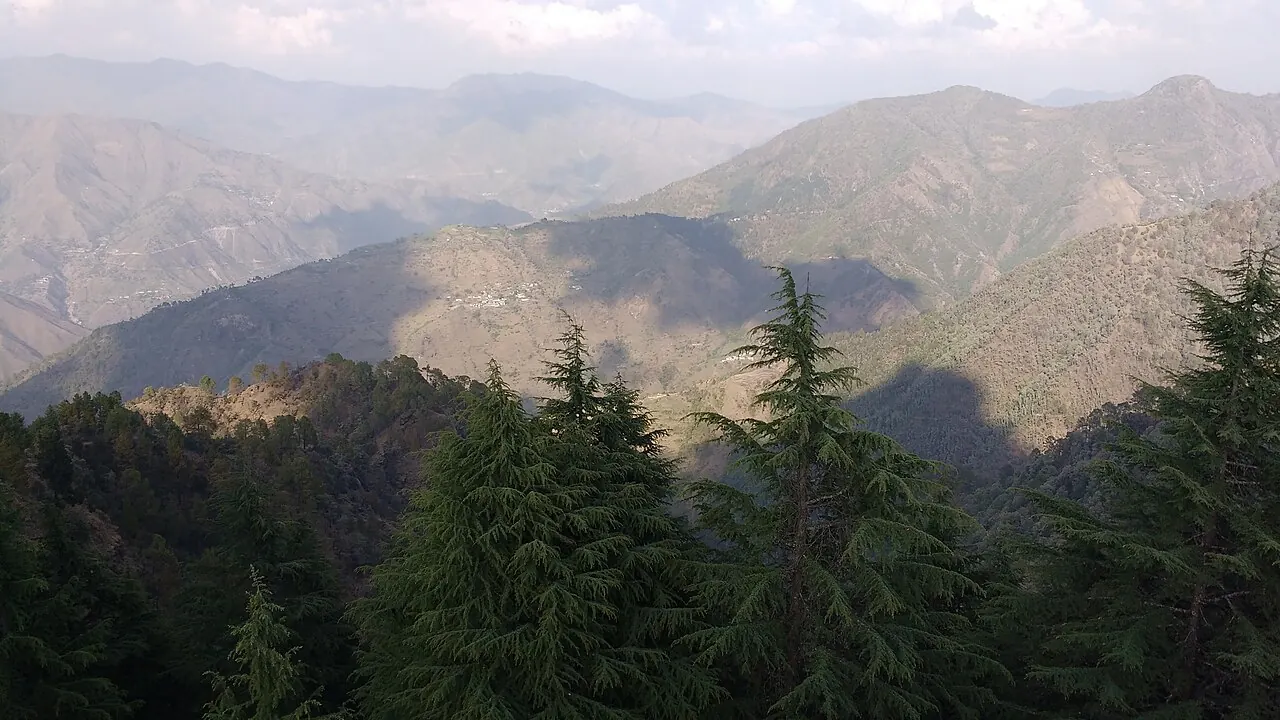
Lal Tibba
The highest viewpoint in the Mussoorie area. On clear days, telescopes here show peaks like Bandarpunch and the Kedarnath range.
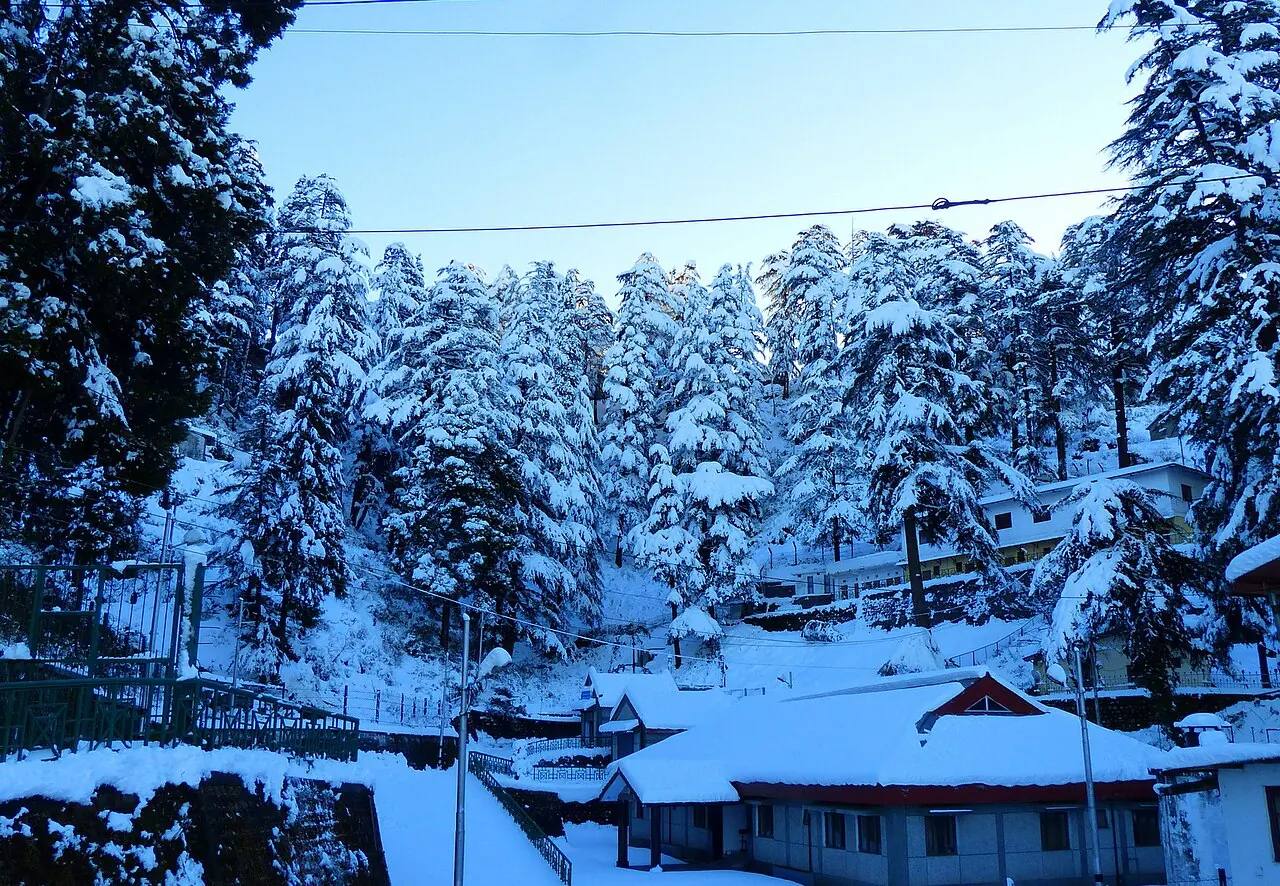
Char Dukan
"Four shops" — a cluster of small cafés near St. Paul’s Church that has served travellers and students for decades.
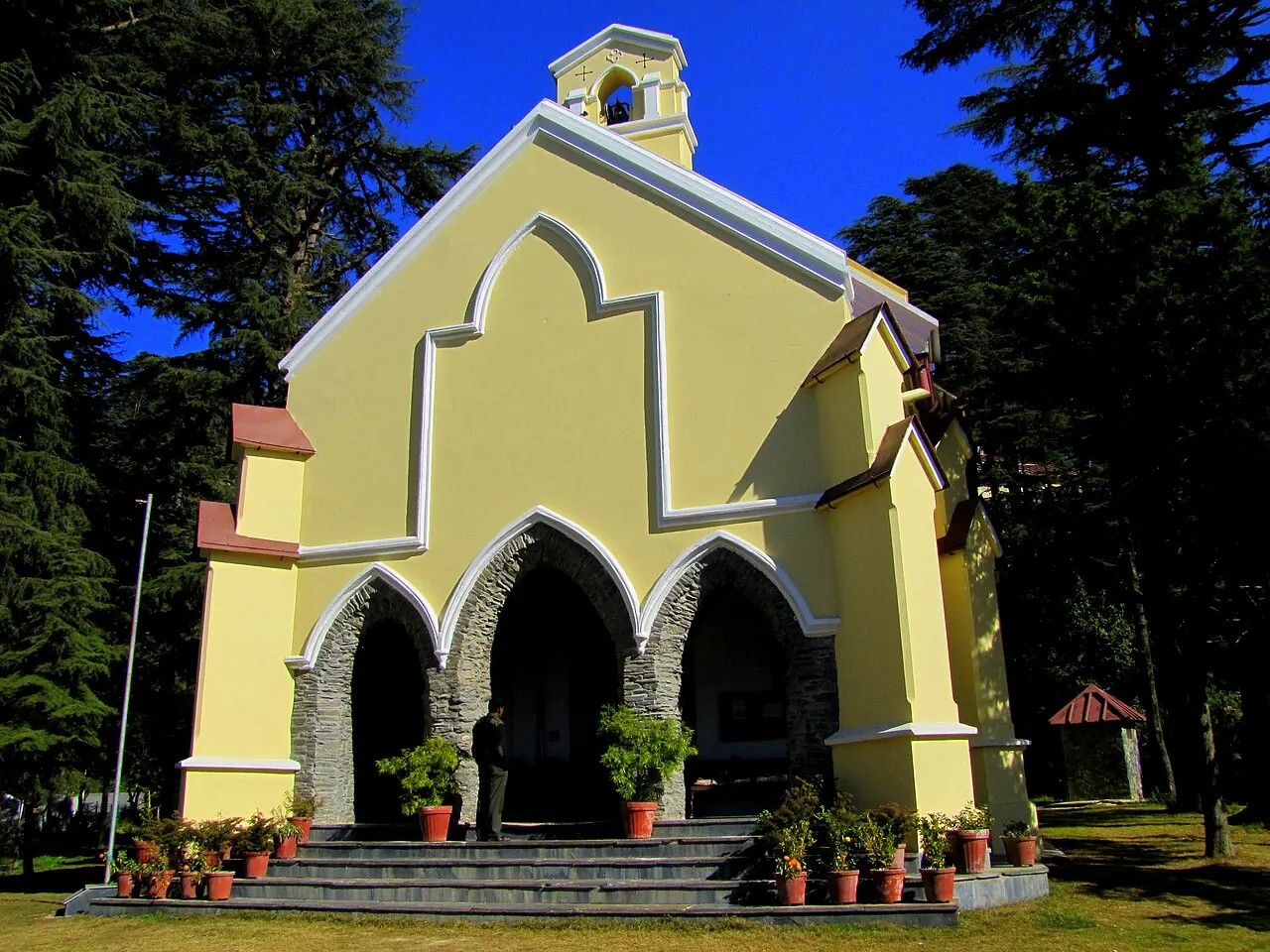
St. Paul’s Church
Built in 1840, this pale-yellow church sits right next to Char Dukan and is one of the oldest in the area.
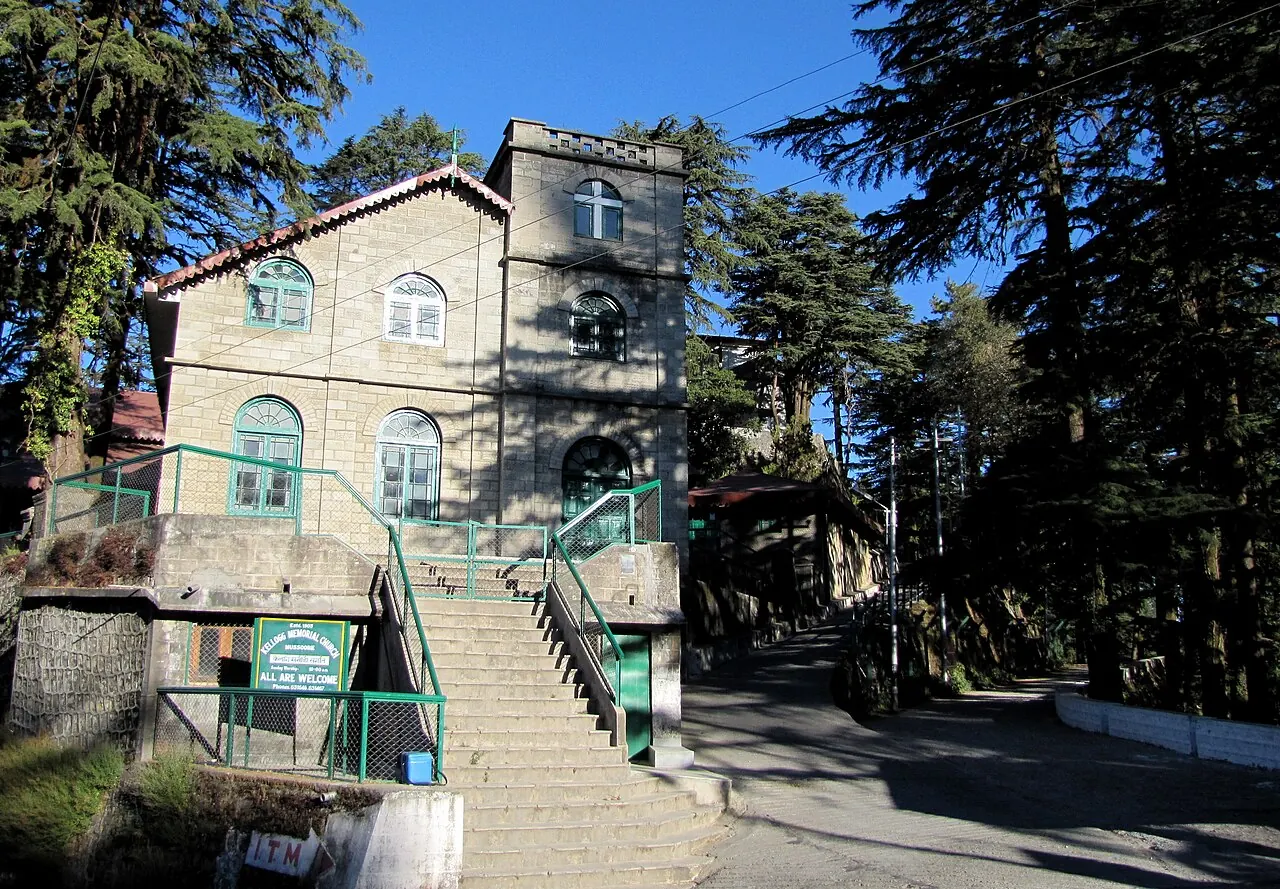
Kellogg Memorial Church
A stone church built in 1903, now home to the Landour Language School, where Hindi has been taught to visitors for generations.
Sisters’ Bazaar
A tiny bazaar known for its old-fashioned general stores selling home-made cheese, jams and peanut butter.
Landour Cemetery
A quiet British-era cemetery on the hillside with old gravestones dating back to the 1800s.
Adventure activities
Landour is best explored at walking pace — the hill is laced with quiet roads and forest paths.
Popular treks
Food to try
For a small place, Landour has a big food reputation — its bakeries and cafés are part of the experience.
Best time to visit
Summer
March to June
- Pleasant days, cool evenings
- Clear morning views
- Busy on weekends
Monsoon
July to August
- Mist and heavy rain
- Moody, green forests
- Views often hidden by clouds
Winter
September to February
- Clearest Himalayan views (Oct–Dec)
- Chance of snow in Jan–Feb
- Cold nights
Colonial Heritage & Literary Charm
Landour was set up in 1827 as a sanatorium for British soldiers, and much of it is still a cantonment, which keeps it quiet and green. It is home to author Ruskin Bond, the historic Landour Language School and Woodstock School.
St. Paul’s Church, built in 1840
Kellogg Memorial Church, home of the Landour Language School
Old British cemetery and bungalows
The home of author Ruskin Bond
Bakeries and old general stores of Sisters’ Bazaar
Walking trails through deodar forest
Best Things to Do
Lal Tibba
The highest point of the area, with telescope views of the Himalayan peaks
The Chukkar Walk
A peaceful loop walk around the top of Landour hill
Char Dukan
Pancakes, bun-omelettes and ginger-lemon-honey tea at the four old shops
Heritage Churches
St. Paul’s Church and the Kellogg Memorial Church
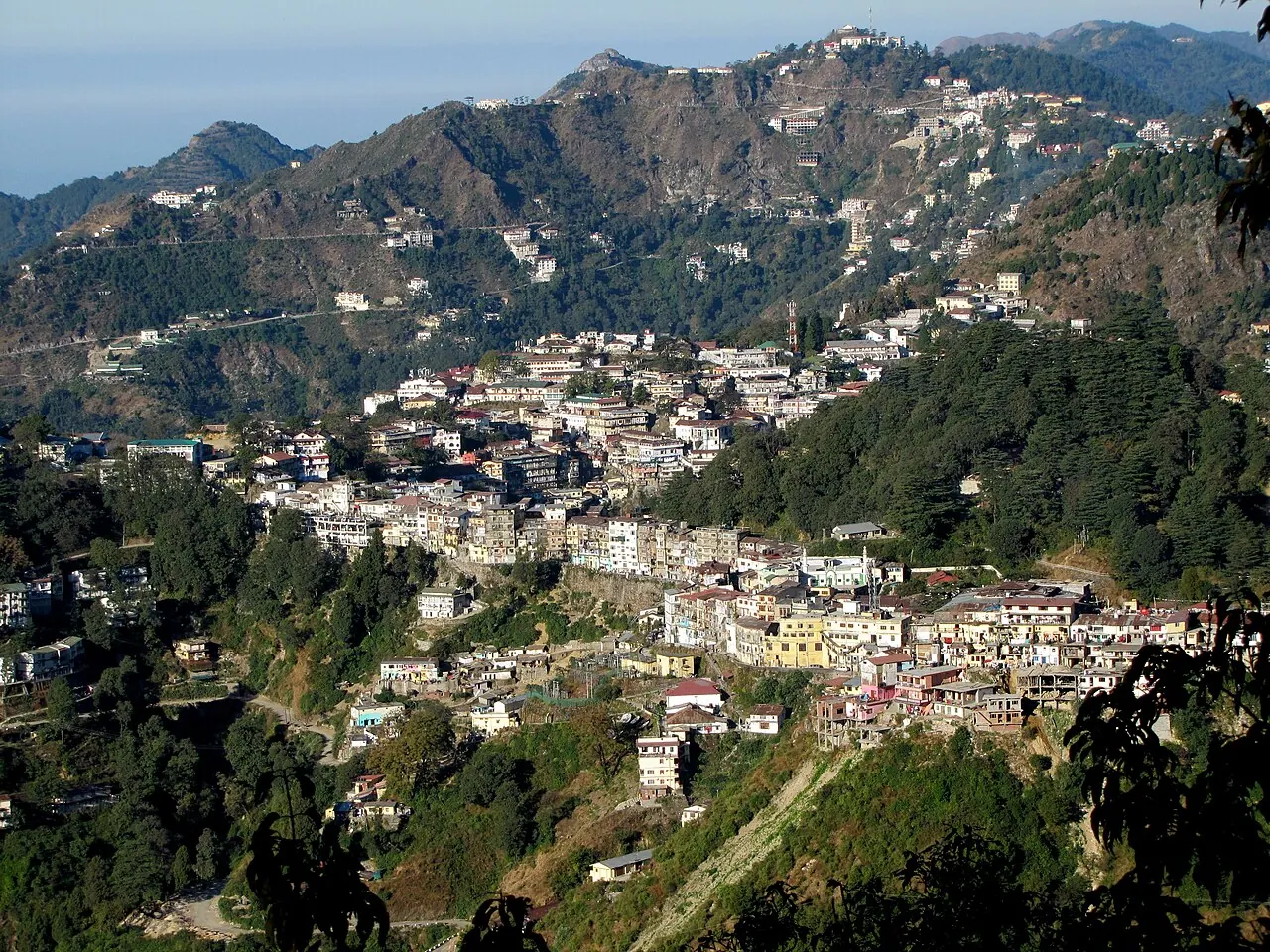
Photo Gallery
Travel Tips
Parking is very limited and roads are narrow — walk up from Mussoorie or take a local taxi.
Landour is largely a cantonment area; respect signboards and keep noise down.
Visit Lal Tibba early in the morning for the clearest mountain views.
Carry a jacket — it is a few degrees colder than Mussoorie.
Shops and cafés close early in the evening.
Frequently asked questions
How far is Landour from Mussoorie?
Can I see the Himalayas from Landour?
Is Landour worth visiting?
Ready to Explore Landour?
Join our curated trips to Landour and experience the best of this amazing destination
Photos via Wikimedia Commons: SHUVADIP (CC BY-SA 4.0) · Paul Hamilton (CC BY-SA 2.0) · Paul Hamilton (CC BY-SA 2.0) · Paul Hamilton (CC BY-SA 2.0) · Paul Hamilton (CC BY-SA 2.0)